Communication is how we connect, grow, and say when something isn’t okay. It gives us choice and identity. Without it, life can feel empty. Yet in my work, I constantly see people with disability having their right to communicate taken away.
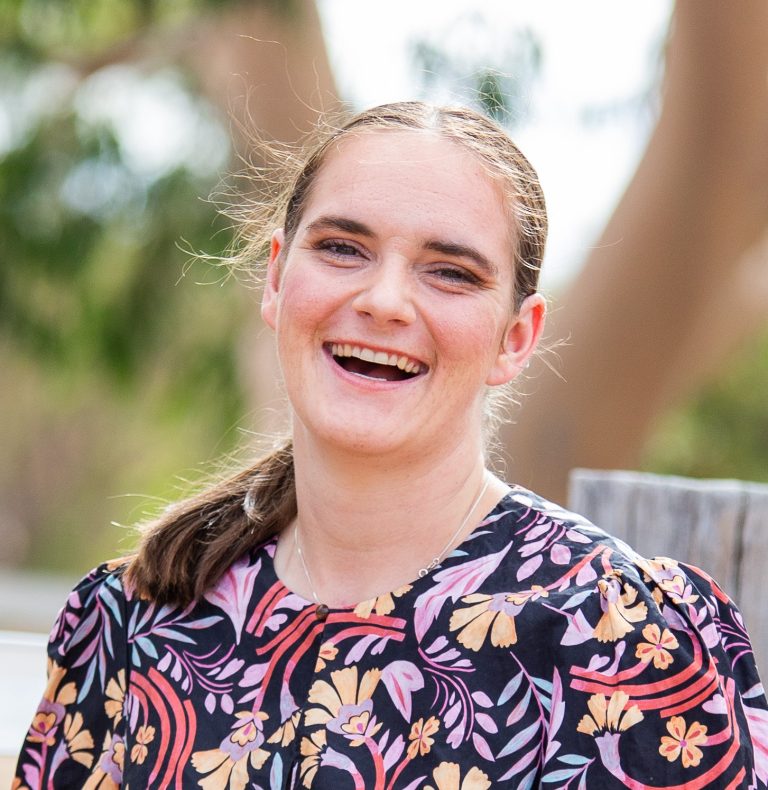
For those who don’t know me, I’m an AAC (Augmentative and Alternative Communication) user. I use a high-tech communication device called an Accent 1400. I also run my own business, Icommunicate, where I use my lived experience and social work background to support people with communication disability to find their voice, however they communicate.
It angers me deeply when people aren’t given the opportunity to communicate.
Many people can speak freely; their mouth is always available as a tool. They may not always be listened to, but at least they can try. For people with communication disability, that opportunity is often taken before it even begins. They’re silenced, forgotten, and denied the chance to express who they are.
Too often, I see people left without their communication devices. This is abuse. From a “quick” trip to the shops to family holidays, I hear parents say a child’s device is too inconvenient to bring. But communication is not an inconvenience; it’s a human right.
Learning to use a communication device takes practice
And that practice needs to happen everywhere, not just in therapy. When a child is told their device is “too hard to take,” they also learn other messages: “I don’t need to use it today, so maybe not tomorrow either.” Or worse, “Dad doesn’t like my device, so I shouldn’t either.” When we fail to provide AAC consistently, we fail to value that person’s voice.
And it’s not just children. Adults who use AAC face the same neglect. Recently, I visited a peer in her group home. Staff knew I was coming, yet she had been put to bed, her device nowhere in sight. Imagine having visitors and being unable to speak to them. How would you feel if your voice was taken away like that?
Access to communication is a basic human right
AAC users might need extra support to express themselves, but that doesn’t make communication an inconvenience. It makes it a shared effort, one that connects, empowers, and includes us all.
Cayt Weir is an Australian disability advocate and AAC user based in the Hunter region. She runs icommunicate, a small practice that supports people with communication disability, drawing on her lived experience and social work training.
Want to write for the Belong blog? Email Zoe@drc.org.au. Looking for a community that understands? Why not join Belong, our free disability community.