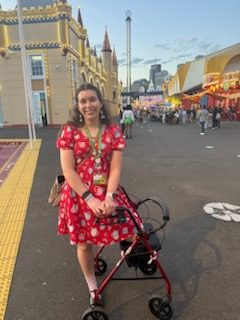
Before I knew I was disabled
It’s 2018. I am 16 years old, scared and confused. Earlier this year I became sick, and I have shown no signs of improvement. I am confused by what has happened to my body, to me. I don’t understand why this had to happen to me. I used to be an athlete, a dancer, training 15 hours a week. Now, I can barely drag myself to school two days a week.
My teachers call me lazy. They doubt that my illness is real. I have seen so many doctors, but none would give me a concrete name for what I had, for what was wrong with me. So, I begin to doubt myself too – maybe I am just lazy. I’m convinced that if I ignore the sickness hard enough, it will just disappear. Poof! Gone. So, I work hard: ignoring, denying. I am not sick. I am not chronically ill. I am not disabled.
But unfortunately, it doesn’t work like that.
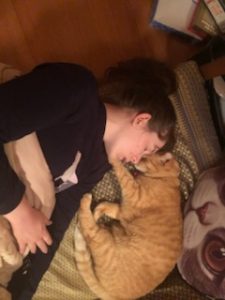
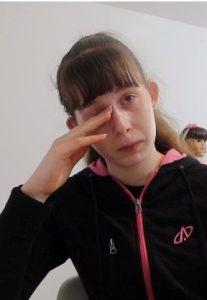
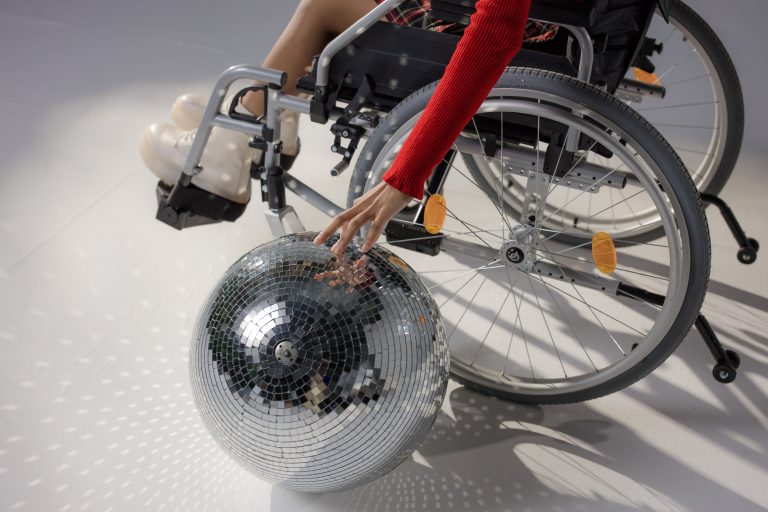
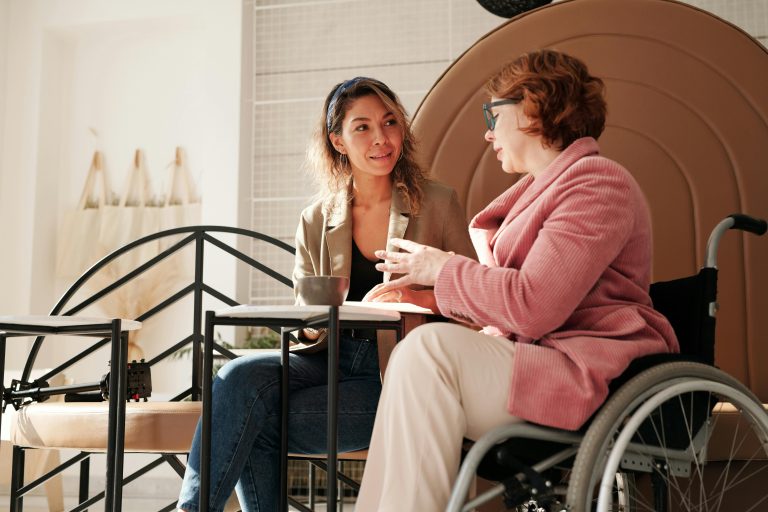
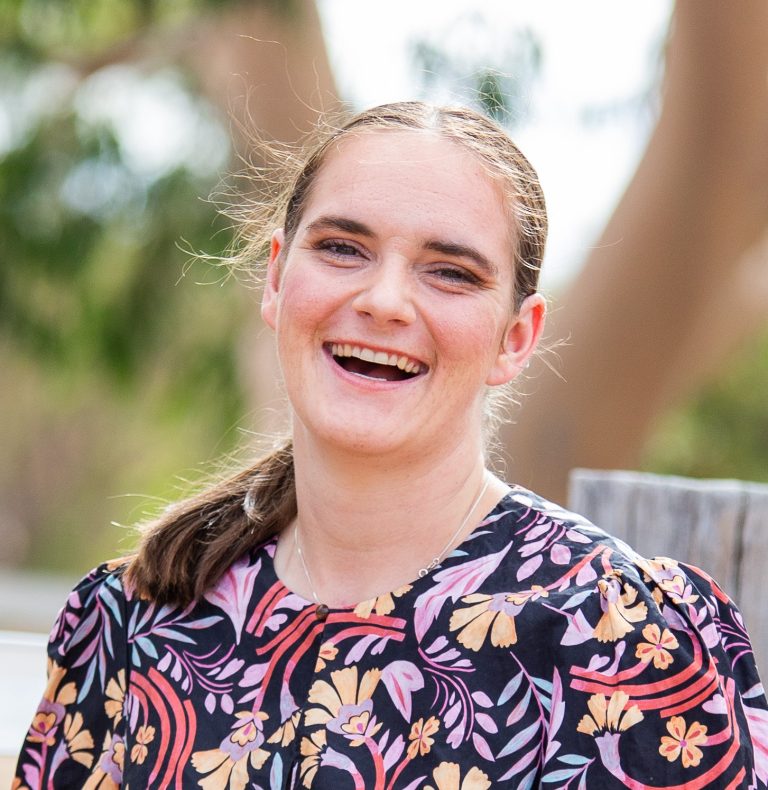
Photos above from 2018 to2020 of when I was sick and struggling as a teenager.
Becoming chronically ill: a promise
I spent three miserable years as a teenager unwell. I was chronically ill, which is obviously not fun in itself, but I was mostly miserable because the people around me refused to acknowledge my illness, and so I did too. If I had just the tiniest bit of energy, I would exploit it and then spend days afterwards recovering in bed. I could barely attend school due to the illness, but the days that I did attend, I spent acting and masking – working hard to convince those around me that I was still my same old self. Even though I wasn’t. I was plagued by constant headaches, debilitating fatigue, and pain. Lots and lots of pain. I felt like a shell of my old self, a false veneer hiding the illness that was inhabiting me.
After three years, things started to get better. I had just finished high school at 19 years old, and the stress of studying and exams had left. I could breathe again. I finally had time to look after myself and my health. It turned out that time healed, and over six months I slowly recovered. Upon recovering, I made one key promise to myself: if I were ever to become sick again, I would advocate for myself and I would ask for help. I would never again be like my teenage self – chronically ill, desperately hiding just how ill I was, and afraid to ask for help.
I made that promise never really believing that I would need to fulfil it. However, such is my luck that I fell ill again after three years in recovery. I am now 24 years old and now chronically ill for the second time (as of 10 months ago), but I have stuck to my promise. These future years will not be the years of hell that I endured as a teenager. I can and I will lead a happy, fulfilling life, regardless of being sick or not. And I will not hide my illness. I will not cheat myself out of help.
As soon as I realised that I was sick again, I booked doctors’ appointments one after the other until I received the help I needed and a diagnosis to clarify. I did not settle for the vague answers doctors had given me in my teenage years – “you’re just tired after a viral infection”, “it’s post-viral fatigue”, “none of the tests came back conclusive, so I can’t actually give you a diagnosis”. My new GP, who believes in me and who takes the time to search for answers and seek out the most appropriate support for me, gave me a written diagnosis as soon as I first saw her and shared my story. I can now, finally, say that I have been diagnosed with ME/CFS: myalgic encephalomyelitis.
I am disabled. And calling myself disabled has been such a powerful thing.
I first accepted that fact earlier this year. It was a big step for me. On the one hand, I felt like I wasn’t deserving of the term, that I wasn’t “disabled enough” (whatever that means!). But I worked hard to remind myself that my illness is very much disabling. It has stopped me working, studying, stopped many of my activities in life. If that’s not disabling, then I don’t know what is!
Acknowledging my disabled identity was the thing that pushed me into exploring and connecting with the disabled community. I began to read books by disabled authors voraciously; I went down rabbit holes in the disabled community online. I finally found my tribe – people that I can relate to, who understand my struggles, and who support me wholeheartedly. It felt like coming home. Here, I could fully be myself, unmask, and share my story honestly. The disability community never doubted my symptoms, my personal experiences, and they supported me wholeheartedly. This online support gave me the further confidence to be completely honest and pen in my offline life, with my friends and family. I always knew that loved ones would support me, but it can still be a vulnerable experience to completely open up about your health struggles to those that have never had to experience disability or chronic illness. But my family embraced all of me, including the new label that I had given myself – disabled.
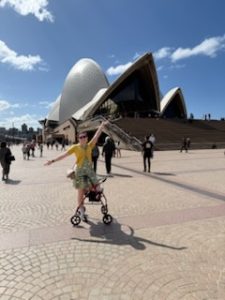
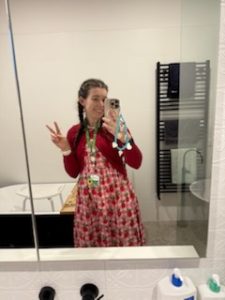
Calling myself disabled helped me to then feel more comfortable and confident to fulfil my promise to myself. Unlike previously, I explained my illness and my support needs to my close friends and family, and I asked for their help and support. I contacted my university’s disability support service and began to organise how I could get back to my university studies with the right support. I contacted new healthcare professionals to ensure I received the appropriate medical care I deserved. I now see a psychologist, exercise physiologist, occupational therapist and physiotherapist regularly to receive the ongoing consistent care that I require, the care that I deserve.
I advocated for myself and I asked for help. I fulfilled that promise to myself. And it’s been the best thing I’ve ever done.
Saffron Canny-Smith (she/her) is a young disabled and neurodivergent woman living in Melbourne. She works through social media, writing and speaking, to be an advocate for disabled people. You can find more of her work at @neurosparklysaffy or at neurosparklysaffy.com
Instagram: @neurosparklysaffy
YouTube: Saffron Canny-Smith
Blog: neurosparklysaffy.com