“Well, it’s just if you had gotten this treated when you were a teenager, you wouldn’t have spent the last twenty years collecting chronic illnesses.”
When the latest in a long line of specialists said this to me, I was too tired to properly feel all the emotions I was entitled to feel regarding this statement. The irony is not lost on me.
My menstrual pain started with a dull roar when I was 12. It gathered momentum into my teens, and by the time I was 15, I came to associate bleeding with “I need to get somewhere safe ASAP because pretty soon I won’t be able to move”. It wasn’t until I was well into my thirties that I learned that while menstrual pain is common, it is most definitely not normal.
Invisible illness will test you in ways a human should not be able to withstand.
The self-gaslighting is extreme. After visiting dozens of specialists and having had litres of blood taken to be analysed, the only explanation I ever got for my mismatched and debilitating symptoms was “your blood work is normal – I think you’re just suffering from anxiety” (the qualifier “just” needs to be used far more sparingly, or people are going to get punched). And I did think: “am I just not trying hard enough?”
Through a combination of sheer raw dogged tenacity and allowing other areas of my life to go completely neglected, I was able to put together something resembling a life. Until one day my body said “if you don’t stop, I’m going to stop you”.
What followed over the next seven years was a series of diagnoses that often travel together despite contradicting each other. I don’t know if it was my absolute refusal to accept subpar medical care, the medical industry (and it is an industry despite repeated assurances from Governments both sides of the aisle that Medicare isn’t going anywhere) clueing into the rapid rise of invisible illnesses, or ageing into a bracket that is harder to fob off, but I started collecting diagnoses like Pokémon. First came Hashimoto’s. Then fibromyalgia. Then POTS. Then ADHD. And finally, adenomyosis, the bitchy cousin of endometriosis.
I spent years treating my poor body like a sinking ship – madly trying to patch each hole but never certain where my efforts would be best focused.
I spent my days oscillating between “I must listen to my body” and “I can’t let my invisible disabilities define me!”
As I sat across from my new gynaecologist, a woman who immediately set me at ease with her confidence and commitment to listening, I had an eerie sense of not being able to access a proportionate reaction to what she was telling me. Here was a person who got it – not only the technical knowledge and skill, but also an understanding of how gender affects a person’s access to quality medical care. I felt the emotions like they were outside of me, gently knocking on the door to my head. There was anger, asking for permission to turn into incandescent rage. Grief was there too, thinking about lost opportunities for travel, study, or even one day without pain. Flabbergastation (is that a word? I’m too tired to know) wanted to know why it took so long for the medical field to catch up to women’s bodies.
I gently turned to all my feelings and apologised for not being able to make room for them all, despite all of them deserving a place in me.
I told them once a little energy returned, they would be warmly welcomed into my body. Anger would fuel advocacy for myself and others, while grief would be held for as long as she needed. Flabbergastation would stay until all women get the care they deserve – so maybe forever.
Medical Mates: we can share this journey together
Now feels like a pertinent time to tell you, dear reader, that our beautiful community Belong runs a group called Medical Mates. In this group, we support each other through any and all medical experiences, including attending appointments together and offering debriefings and support after difficult medical experiences. If this sounds like something you need or something you could offer someone else you can sign up here.
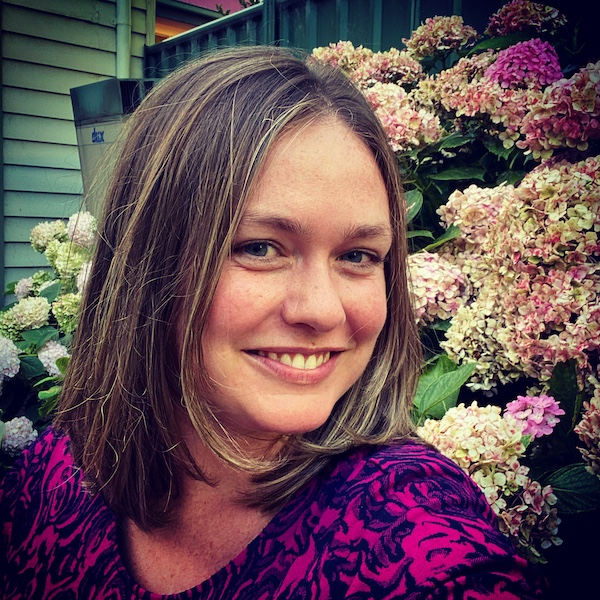
Emma Robinson is a disabled writer and campaigner living in Naarm. She has worked in the disability sector for several years and more recently in the Office of Adam Bandt. You can find her at Readings Carlton or in any cinema.
Looking for a safe, fun, radically inclusive group run exclusively by and for disabled people? Check out Belong, our free group with both online and in-person options to connect with others in the disability community.
Want to write for the Belong Blog? Reach out to Zoe@drc.org.au